ulubione :-)
[ad_1]
ulubione 🙂

[ad_2]
źródło

[ad_1]
ulubione 🙂
[ad_2]
źródło
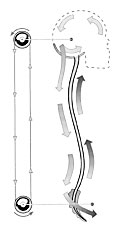
[ad_1] ZAŁOŻENIA TEORETYCZNE SYSTEMU CZASZKOWO-KRZYŻOWEGO Mechanistycznie system czaszkowo – krzyżowy można porównać do pasa transmisyjnego, którego osie obrotu stanowi z jednej strony czaszka z drugiej zaś kość krzyżowa (stąd nazwa terapii). Warunkiem sprawnego działania mechanizmu jest współbieżna praca ruchomych rolek i prawidłowe napięcie samego pasa. Biegunem bliższym tego mechanizmu jest czaszka zbudowana z ruchomych, wzajemnie…
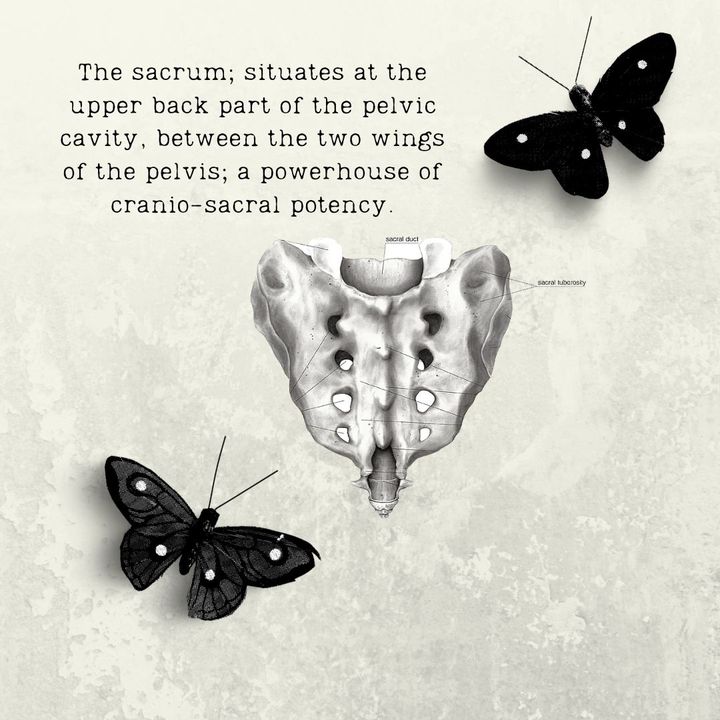
[ad_1] The sacrum, as the name cranio-sacral therapy suggests, is fundamental to cranio-sacral work, it is a powerhouse of cranio-sacral energy. Therapists use the sacrum as a contact point as it is one of the principal avenues of access to the spine, the midline and the deepest core of the system. Free mobility of the…
[ad_1] media.giphy.com [ad_2] źródło
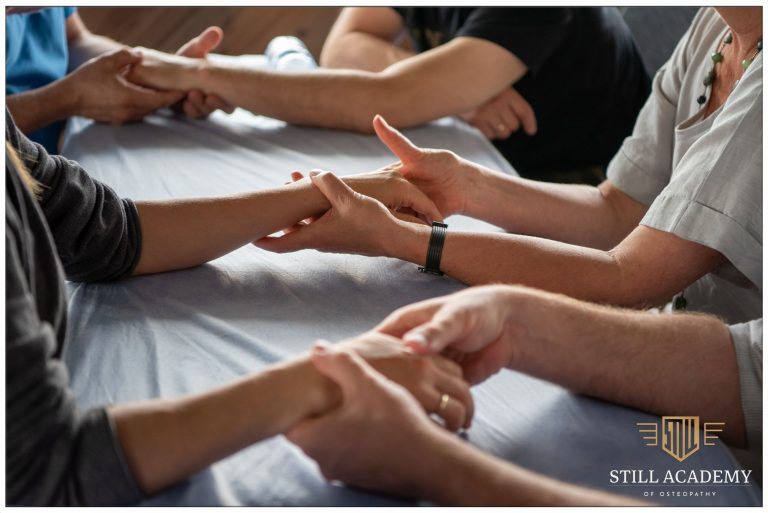
[ad_1] Dotyk terapeutyczny – STILL ACADEMY OF OSTEOPATHY Artykuł na podstawie książki Life In Motion autorstwa jednego z mistrzów osteopatii, Rollina Beckera Kilka słów o autorze Rollin Becker urodził się w rodzinie osteopatycznej w 1910. Jego ojciec był wykładowcą osteopatii i bliskim współpracownikiem Andrew Taylor Stilla. Becker w 19… [ad_2] źródło
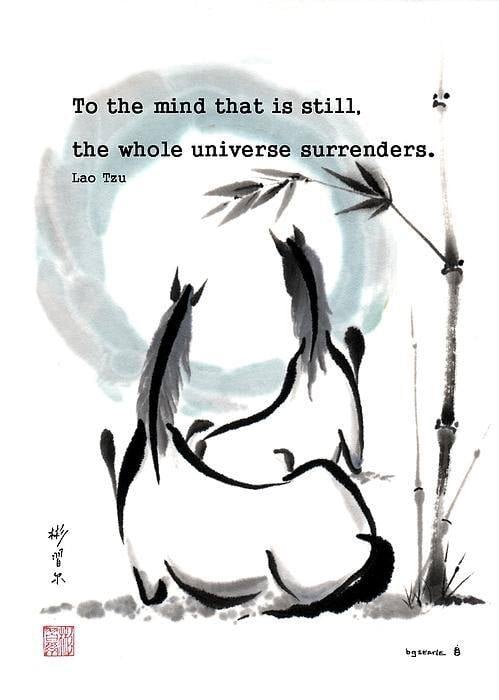
[ad_1] Stillness is one of the most essential components of the cranio-sacral process. It arises in many different forms from stillness in the patient and the practitioner to points of stillness and dynamic stillness, all are quintessentially vital. Stillness is one of the most essential components of the cranio-sacral process. It arises in many different…
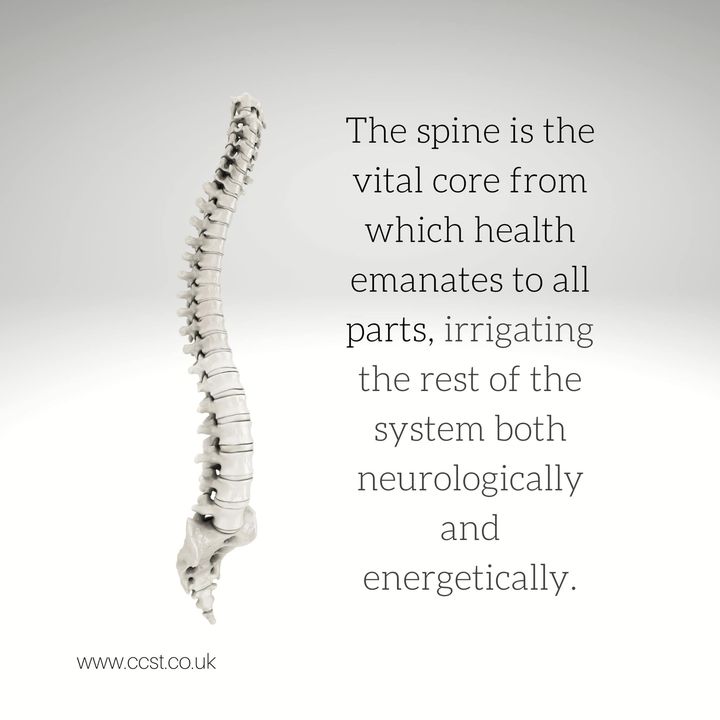
[ad_1] The bony vertebral column, lined with dura, arachnoid and pia mater contains and protects the vital spinal cord. It allows the passage of the spinal nerves, emanating from the spinal cord and penetrating the membranes to pass out through the intervertebral foramina to supply the organs, muscles, glands and other peripheral structures throughout the…